
You can buy the best security tools on the market and still get breached by a single click. That is not a knock on technology. It is simply where attacks land now. The large majority of successful breaches still begin with a person who opened the wrong attachment or approved a request that looked completely normal.
Which means your employees are either your strongest layer of defense or your softest way in. Security awareness training is what decides which one they become.
The Threats Your Team Faces Have Changed
For years, spotting a scam was easy. Bad grammar, odd phrasing, a sender address that made no sense. Those days are over. Attackers now use AI to write messages that are clean, personalized, and genuinely convincing. They can mimic the tone of a real client, reference a real project, and produce a flawless fake in seconds.
And it goes well beyond email. A finance employee might get a phone call that sounds exactly like the owner asking to release a payment. A staff member searching for a software download might be steered to a malicious copy by a poisoned search result or AI answer. The lures are faster, cheaper, and more believable than they have ever been, and they are aimed squarely at the people in your office.
The threats also refuse to sit still. What worked to fool people last quarter looks different this quarter. That constant change is the whole reason a single briefing wears off, and the reason training has to be a habit rather than an event.
Technology Alone Cannot Catch All of It
Good security tools stop a great deal, and you absolutely need them. But the most dangerous attacks are designed to slip past filters by getting a trusted person to act. When an employee is the one who clicks, downloads, or approves, your defenses never get the chance to do their job.
That is exactly why the human layer matters so much. A trained employee who pauses for two seconds to verify a strange request can stop an attack that no software would have flagged. People are not the weak link by nature. They become one only when no one has shown them what today’s threats actually look like.
Human error is the single biggest risk most businesses face, and it is also one of the most preventable. We break down why, and what you can do about it, here.
What Good Training Actually Covers
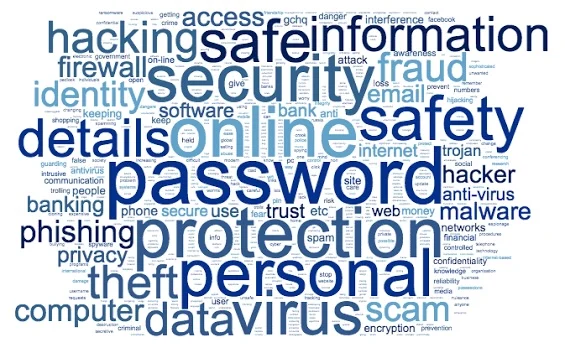
Strong training goes well beyond “do not click suspicious links.” It prepares your team for the real situations they run into. Good training helps employees confidently handle threats like these.
- Phishing and fake emails, including the AI-written ones that now look polished and personal
- Urgent payment and wire-transfer requests, and the habit of verifying them through a second trusted channel before any money moves
- Phone and voice scams, including what should never be shared over the phone, like passwords, account details, or approvals, even when the caller sounds exactly like someone they know
- The latest scams, including token theft, website spoofing, QR code traps, AI voice cloning, and fake login pages built to slip past multi-factor authentication
- Working safely outside the office, on coffee shop and other public wifi, while traveling, and on personal devices
- Poisoned search results and AI answers that quietly point people toward fake downloads
- Your company policies, so everyone knows the approved tools, the right way to handle sensitive information, and who has the final say on a request
- How and when to report something, so a person who feels uneasy speaks up early instead of staying quiet
The point is not to turn your staff into security experts. It is to give them clear, practical instincts for the moments that actually matter.
Why One-and-Done Training Does Not Work
A single session during onboarding is not enough, for the same reason a single trip to the gym does not make you fit. Threats change constantly. People get busy and forget. New employees join.
Regular, ongoing training keeps awareness sharp and current. It reflects the scams your team is actually seeing this month, not the ones from two years ago. Done well, it is not a lecture or a box to check. It is short, practical, and built around real examples, the fake invoice, the urgent wire request, the login page that looks just right. Over time it builds an instinct, a healthy pause before clicking, sharing, or approving.
What It Protects, and What It Prevents
The payoff here is not abstract. A single successful attack can mean stolen client data, fraudulent payments, locked systems during your busiest week, and the kind of breach you are legally required to disclose to the very people who trusted you. For a small or mid-sized business, that is not just an IT headache. It is lost revenue, lost time, and lost trust, and for some businesses it is the event they never fully recover from.
Training is one of the lowest-cost, highest-return investments in that entire picture. It makes every other security control you own work better. It is increasingly expected by cyber insurance carriers before they will cover you. And it quietly tells your clients that you take the protection of their information seriously.
This Is A Core Part of What We Do At My Tampa IT
For most businesses, the hard part is not believing in training. It is finding the time to run it, keep it current, and make it stick. That is one of the things we handle for the businesses we support.
We deliver security awareness training that is regular, practical, and updated as the threats change, so your team hears about the scams circulating now rather than the ones from years ago. We keep it tied to your own policies, track who has completed it, and make it part of how your business runs instead of a once-a-year scramble. As new threats appear, we fold them in, so your people stay current without you having to track the threat landscape yourself.
For Tampa Bay Businesses, It Comes Down To Trust
In a community that runs on referrals and relationships, your reputation is part of your product. Clients hand you sensitive information because they trust you to protect it. A well-trained team is one of the clearest ways to honor that trust, and one of the simplest ways to keep a single mistake from becoming a story your clients hear about.
If you want to make your people the strongest part of your security rather than the softest, let’s talk. Contact My Tampa IT to build security awareness training your team will actually use.
Get In Touch!
You’ve got questions. We’ve got answers.
Let’s start the conversation about your IT support needs.